BROOKLYN — As the United States prepares to celebrate its 250th anniversary, many Americans will gather at parades, fireworks displays and commemorative events to honor the nation’s founding ideals of freedom, equality and democracy.
Yet for many communities, those promises remain unfinished business.
Across the country, LGBTQ+ individuals, immigrants, women and communities of color continue to face discrimination, political attacks and efforts to roll back hard-won rights. The struggle for justice that has shaped much of American history is far from over.
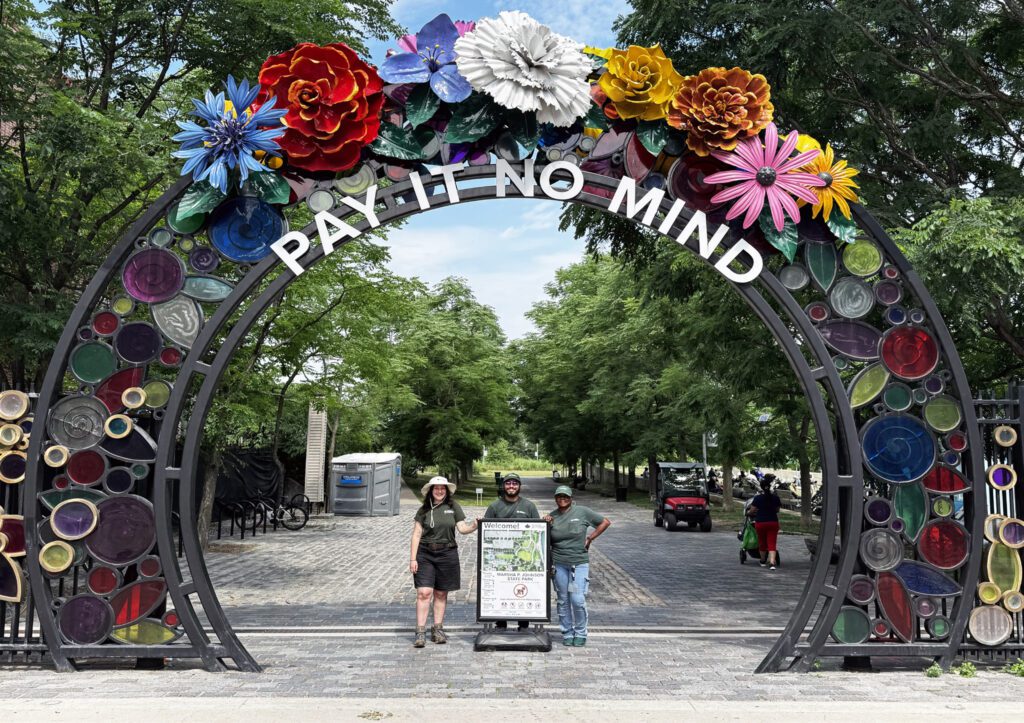
That reality is visible every day at Brooklyn’s Marsha P. Johnson State Park, where CSEA members maintain not only a beautiful public space along the East River waterfront but also a living tribute to one of the most important civil rights activists of the modern era.
Nestled along the Williamsburg waterfront, the park offers sweeping views of the Manhattan skyline, native gardens, open lawns and a shoreline where visitors gather to relax, learn and connect. Interpretive signs throughout the park tell the story of Marsha P. Johnson, the Black trans activist and key figure in the Stonewall uprising whose advocacy helped spark the modern LGBTQ+ rights movement.
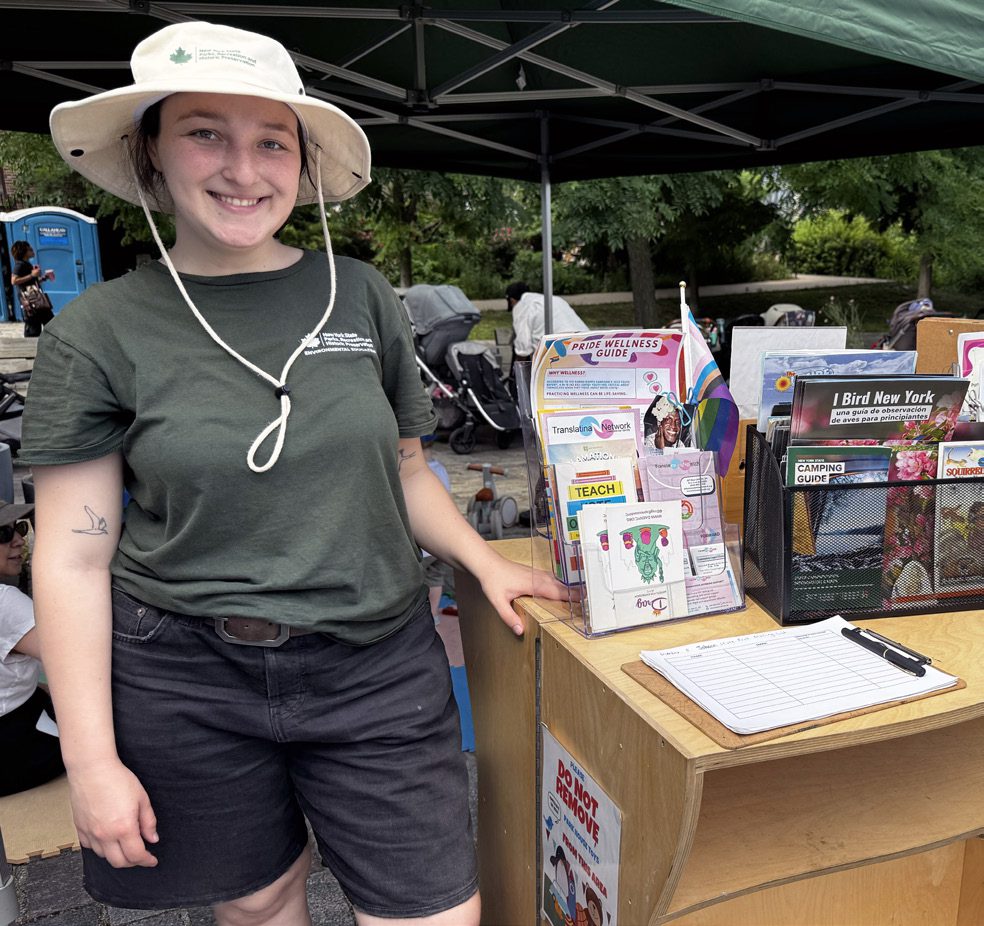
“It means everything,” said CSEA member Jessica Miner, an environmental education assistant who identifies as queer. “In a world where it can be scary for people, especially trans people, I hope we’re able to make the world a little better, a little safer and a little more loving.”
For Miner, the park is much more than a workplace.
“It really does make a difference,” said Miner. “People come into the park, they read the signage, they see representation, and it means a lot for people, especially right now, to know there is a place they can come and be outside and know that we’re here to support them.”
Miner regularly leads LGBTQ+ history tours that explore Johnson’s life, the Stonewall rebellion and the ongoing fight for equality.
“We get to talk about the origins of Pride, talk about Stonewall and how that fight has continued through now,” said Miner. “It’s important for us to know where we came from and why we have the rights we do. We still have to keep fighting for them.”
That message carries special significance today.
“It is very scary seeing so much be almost unwound and a lot of that history forgotten,” said Miner. “All we can do is be louder and more proud and take up the space that we deserve.”
Throughout the year, park staff organize programs that celebrate inclusion and community. During Pride Month, visitors can participate in LGBTQ+ history tours, Pride bird walks and educational programming that highlights diversity in both human and natural communities.
The park’s annual Step Out and Celebrate Festival, held near Johnson’s birthday, features trans artists, community organizations and resources designed to help LGBTQ+ people find support and connection.
“We want to give people as many resources as possible and let them know that we see them,” said Miner. “This is a place where they can be safe. This is a place where they are celebrated.”
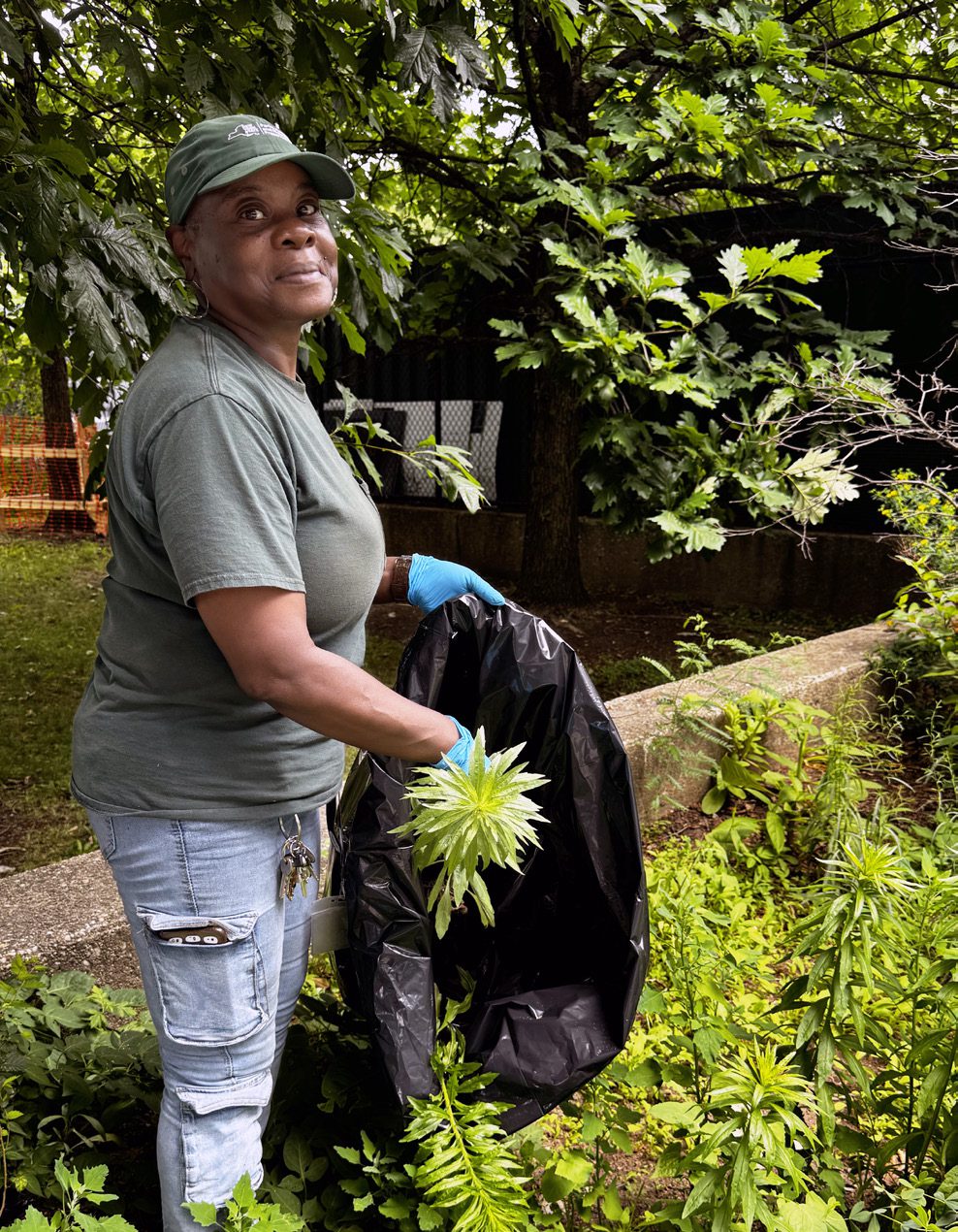
For CSEA member Chrystal Boyce, a park and recreation aide whose child identifies as LGBTQ+, the park’s mission is deeply personal.
“Being the mom of a person that’s in the LGBTQ community, it gives a lot of meaning to me,” said Boyce. “Marsha P. Johnson is very important to this community.”
Boyce sees powerful parallels between Johnson’s legacy and broader struggles for justice that continue today.
“Trans rights, workers’ rights, African American rights, Latino rights, immigrant rights — a lot of our rights seem to be under attack,” said Boyce. “I think this park represents the possibility and hope that things could change. It only takes one person to make a difference.”
Boyce said the park brings together people from every background.
“People don’t realize that we’re more alike than we are different,” she said. “If we could just focus on that, I think we could get so much further instead of being divided.”
Other CSEA members who work at the park also witness that sense of community.
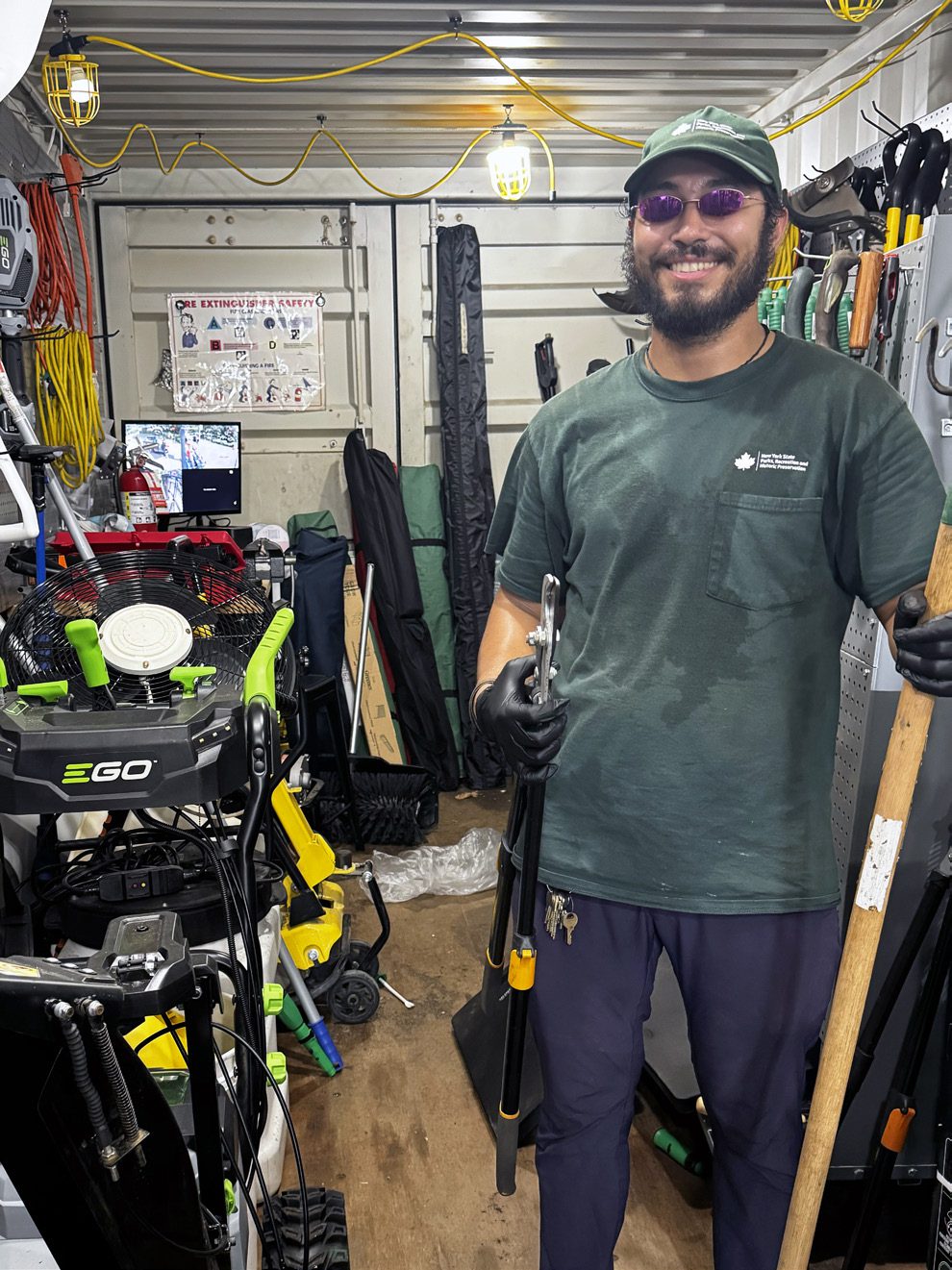
Park and Recreation Aide Paul Pianan said the park has become a refuge for many LGBTQ+ visitors.
“A lot of people within that community feel very safe and welcome coming here,” said Pianan. “It’s nice to have them out here in a green space where they can learn about that history and also just the natural world around them.”
Pianan believes Johnson’s message remains especially relevant today.
“Two hundred and fifty years down the line from where this country began, you can see progress unfolding right before your eyes,” he said. “But it’s also important to have a safe haven away from all of that noise and nonsense.”
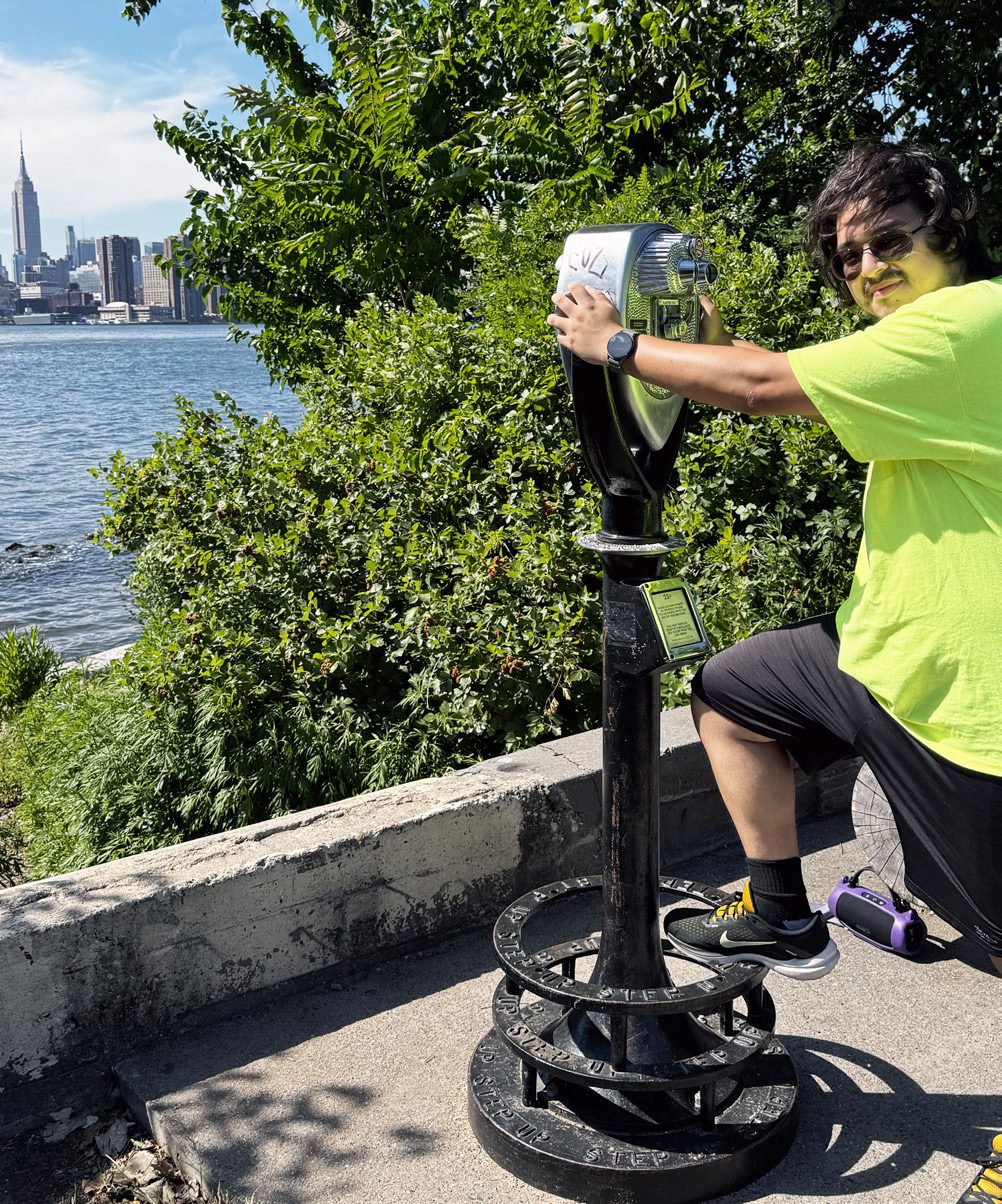
For fellow Park and Recreation Aide Habron Lopez, the park demonstrates the power of public spaces to bring people together.
“This park gives that freedom that I think we’re missing,” Lopez said. “To be able to say, ‘I’m this person,’ and be proud of who you are.”
The park’s staff also recognize the symbolism of maintaining a public space named after someone who spent her life fighting for dignity and equality.
“I think [Johnson] would be happy,” said CSEA member Jessica Klich. “She’d probably still be fighting, too. But when people leave here, they know more about her, and they leave understanding that you have to be kind to everybody.”
That lesson may be one of the most important as the nation reflects on 250 years of history.
Neil Kelly, CSEA’s Deputy Director of State Operations, said the park serves as a reminder of both progress made and work still ahead.
“CSEA members represent every race and gender identity in New York state,” said Kelly. “There are powerful interests out there who would like to divide us by our differences, since they know that when we stand together, we get results. A visit to Marsha P. Johnson State Park reminds us of the fights we have had to wage in the past to get rights and dignity we all deserve, and that the fight for fairness must continue.”
— David Galarza