Editor’s Note: Source material from this page was originally published in late 2001 and early 2002 editions of The Work Force.
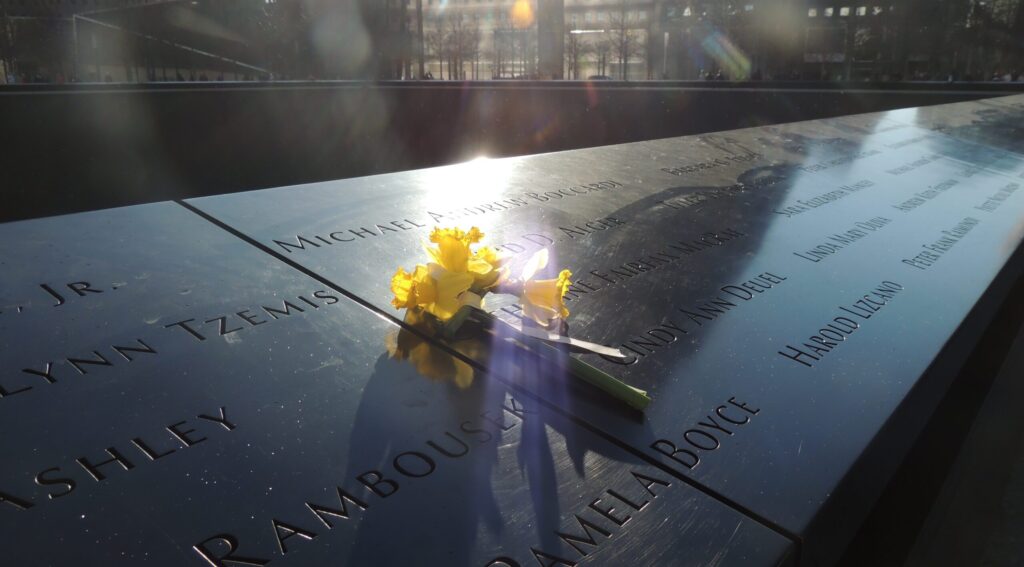
When the World Trade Center and Pentagon were attacked by terrorists on Sept. 11, 2001, union members ran into the buildings to rescue thousands of people inside, including CSEA members working at the World Trade Center.
Many of them never made it out.
Nearly 3,000 people died that day, including more than 400 first responders and five CSEA members who were employed at the state Department of Taxation and Finance in Tower 2 (South Tower): Yvette Anderson, Florence Cohen, Harry Goody, Marian “Marty” Hrycak and Dorothy Temple (see sidebar for more). They were among the 40 employees at that agency who lost their lives.
“I can still see the faces of all 40 people,” recalled Margaret Ramsay, a CSEA state Taxation & Finance (New York City) Local member in a 2021 memorial video. “While they were looking for these people and trying to identify their bodies, I still kept hope that some of them were going to be found someplace else than found in the rubble.”
Coming together
As soon as the World Trade Center collapsed, CSEA members from across the state began to help, both at the site and in their own communities.
Our union members, both in the capacity of their jobs and as volunteers from emergency response agencies, helped with rescue, recovery and cleanup efforts at the World Trade Center site, with some workers remaining there for months.
Other union members worked to ensure security at public buildings and that on-site workers had adequate equipment and resources.
Members working at health care facilities geared up to care for those injured, though the facilities sadly saw very few people. Workers also consoled those directly facing loss.
CSEA members from the state Division of Military and Naval Affairs, law enforcement agencies and State Emergency Management Office helped steer New York’s disaster response.
This response included hundreds of CSEA members employed at state call centers taking calls from emergency workers, families of the missing and more.
Union members from across the state also donated blood, money, clothing and other supplies to help relief workers.
CSEA continued to work closely with the state and other unions to support members directly affected by the attacks and ensure continued delivery of public services.
Our union also supported efforts to revive New York City, including by moving the 2002 Annual Delegates Meeting to the city. That convention was highlighted by a poignant memorial to all who were lost to the attacks.
Continued effects
The attacks transformed nearly every aspect of our country, including our workplaces, many of which saw increased safety protections and security measures. Union members ensured that employers made moves to keep workers and the public as safe as possible.
In addition to physical protections, the attacks highlighted the strong need for mental health programs to help workers cope with the lasting trauma.
Toxins, dust and debris from the WTC site also led to illness and death for thousands of people who worked or lived near the site. To date, more than 8,000 people have died from respiratory diseases, cancer and other illnesses. Tens of thousands of people have been diagnosed with 9/11-related illnesses.
Always Remember
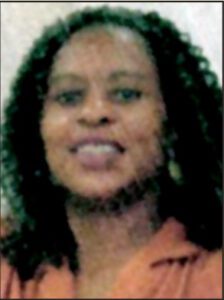
Yvette Anderson:
Yvette Anderson, a keyboard specialist who worked for the state Bureau of Conciliation and Mediation Services, was active in the state Taxation and Finance (NYC) Local’s Social Committee and often cooked for co-workers. Outside of work, Anderson had a passion for cooking and had wanted to pursue a career in the culinary arts. Also active with her church, Anderson transported elderly parishioners to and from services and supervised youth ministry activists. She was survived by her husband and two children.
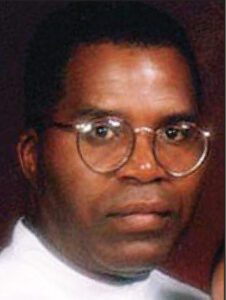
Harry Goody:
Harry Goody, a supply assistant at the department’s Audit Division, was jokingly known as the ‘mayor’ at work who often gave his opinions, but he was also a helpful and humble person who had raised money for charities. Goody also loved gadgets and trivia. He was survived by his wife and three adult children.
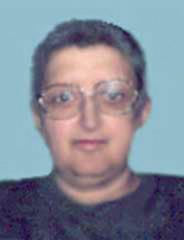
Florence Cohen:
Florence Cohen, a keyboard specialist, was known as an efficient co-worker who was described by one co-worker as being ‘two steps ahead.’ She enjoyed collecting cups, newspapers and cartoon memorabilia, particularly Looney Tunes characters. She was survived by a daughter.
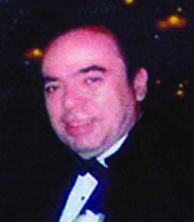
Marian “Marty” Hrycak:
Marian “Marty” Hrycak, an investigator at the department’s Audit Division, had a passion for books, often reading several at one time. Born in Austria, Hrycak particularly loved history books dealing with Russian and European history. Shortly before the attacks, Hrycak and his wife were planning a Vermont vacation. He was also devoted to his two adult children.
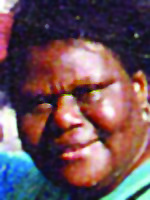
Dorothy Temple:
Dorothy Temple, a keyboard specialist at the department’s Income Tax Audit unit, had been planning to soon retire due to a knee injury. Originally from Montgomery, Ala. and known as a “very private person,” Temple had a large extended family that she would visit often. She particularly loved to dote on her nieces and nephews with trips to Disney World, Mexico and San Francisco. She was also survived by her four brothers and sisters.