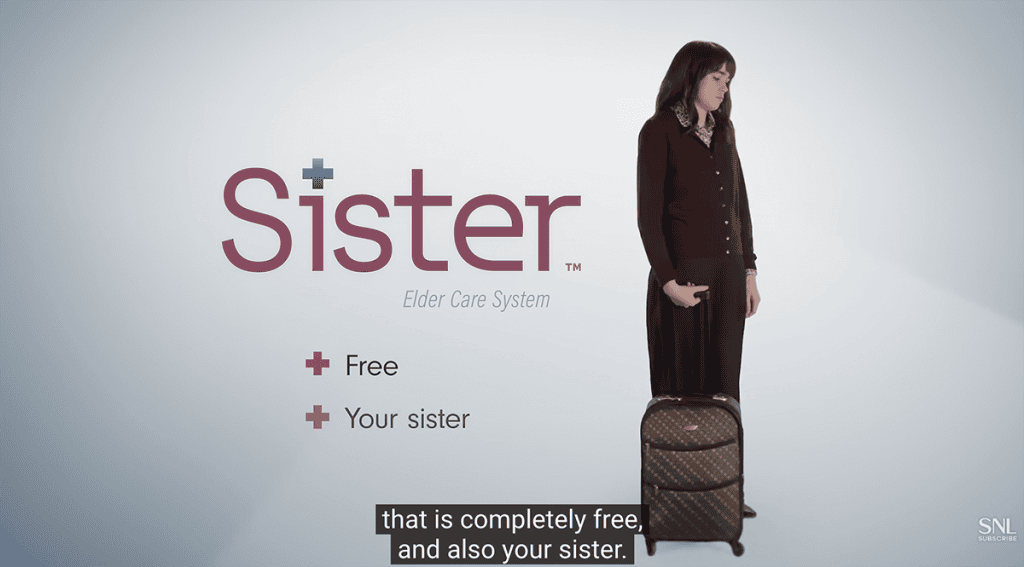
In the recent “Saturday Night Live” sketch titled “Sister,” several men tout “activating” their sisters to care for their aging parents so they don’t have to take on caregiving duties.
In the SNL sketch, comedian John Mulaney plays a commercial pitchman who mentions the high costs of nursing homes and private health care aides. Instead of choosing these options, the family instead opts for his “sister” to care for their aging father. The sketch shows several “sisters” uprooting their lives to provide direct care, as well as deal with medical providers and insurance companies.
The Nov. 14 episode sketch has generated more than 5 million views on YouTube and countless more on social media. For many families, it has hit close to home and sparked a national conversation about gender roles when it comes to caring for aging family members.
SNL uses satire and humor to shine a light on important issues. Behind the laughs, however, is a serious problem facing millions of American families. As the population ages and the cost of professional care continues to rise, more family members are taking on caregiving responsibilities, often while balancing full-time jobs, raising children and managing their own health. For many, the emotional, physical and financial toll can be overwhelming.
Many CSEA members face the reality of caregiving every day, both on the job and in their personal lives.
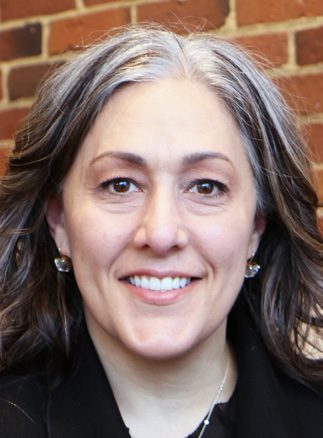
Clinton County Local President Cindy Gallicchio, who has been the primary caregiver for her mother for nearly eight years, noted that she had strong emotions when she saw the sketch.
“At first, I was shocked, but that quickly grew into anger at how normal this is,” said Gallicchio. “Normal enough for society to feel comfortable joking about. People are saying the quiet part out loud. Being a caregiver has absolutely shaken me to my core. I am very aware of how fragile caregiving has made every aspect of my life.”
While Gallicchio’s mother is retired from New York state with a pension and health insurance, Gallicchio noted that the lack of resources for caregivers has still put a strain on her ability to give the care and sustain her family.
As her mother’s primary caregiver because her siblings do not live nearby, Gallicchio also noted the emotional strain and daily struggles of caregiving, including maintaining a work-life balance.
“Caregiving is lonely and you feel isolated,” said Gallicchio. “Even amongst people you know, you are truly alone in this. One of the hardest things is not knowing what I’m planning for. I wish I had been prepared for this. I wish I knew more when I started. I wish I had my mom to help me navigate what has been one of the hardest times of my life.”
According to AARP, about 63 million people in the U.S. are caregivers, a 45% increase over the past decade.
About 60% of family caregivers are women, who provide an average of 27 hours per week in unpaid care. Nearly 30% of these family caregivers are also caring for minor children. About one in five caregivers has reported a decline in their own physical and mental health. The AARP report also highlights how family caregiving has led women to leave the paid workforce to take on caregiving responsibilities.

Many CSEA members are also part of the paid health care workforce, providing direct care to older adults. Federal cuts to Medicaid and Medicare have added to staffing and financial pressures at health care facilities.
In her years as a registered nurse working at the Orange County-owned Valley View Center for Nursing Care and Rehabilitation, Southern Region President Rosemarie Kukys has witnessed the toll the caretaker role can take on family members.
At the same time, she said the devotion she sees from family caretakers is evident.
“We have one daughter who’d go right from her job on the night shift over to Valley View each morning to check on her mom,” said Kukys. “Family members have already been in the role of caretaker even before their loved ones enter a nursing home, so that care and concern continues. Even when you feel good about the care your family member is receiving at a nursing facility, that involvement doesn’t stop.”
Despite the loneliness and challenges of caregiving that Gallicchio experiences, she has also been able to cope with the situation.
“Caring for my mom is a priority for me but it has not been without its struggles and continues to be a struggle each day,” said Gallicchio. “It is something you cannot sympathize with unless you have done it yourself. It is a mental load most cannot bear. It is something I never thought I was capable of but here I am doing it all.”
– Therese Assalian, Janice Gavin and Jessica Ladlee