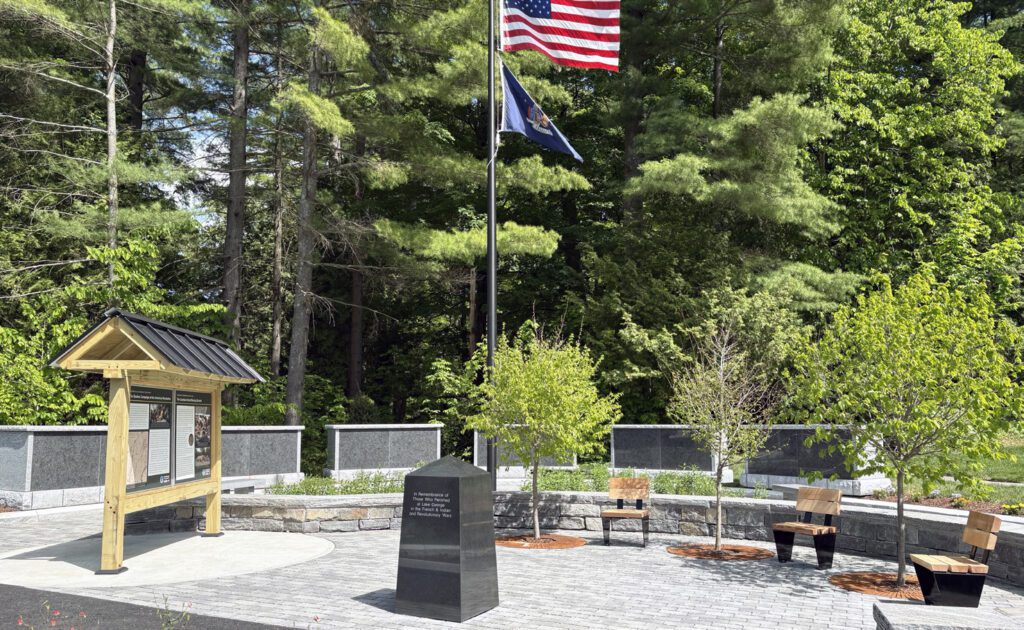
LAKE GEORGE — On the 250th anniversary of America’s war for freedom from the British, the remains of 44 Continental Army soldiers were finally laid to rest.
In 2019, workers digging an apartment building foundation in Lake George uncovered bones, teeth and historical artifacts including buttons from the uniform of a soldier from the First Pennsylvania Battalion of the Revolutionary War.
The findings set in motion a multi-year effort by researchers, partners and volunteers across state, local government, private-sector and veterans groups to study the fragmented remains.
Archaeologists with the New York State Museum, state Department of Environmental Conservation, and state Office of Parks, Recreation and Historic Preservation conducted salvage operations from 2019 to 2020.
Researchers from the museum painstakingly sifted through the remains and used forensic technology to learn what they could about these soldiers, their manner of death and how to honor them. They estimate the site was a crude, makeshift cemetery set up by the colonial army near a field hospital operating during the 1775-1776 Quebec Campaign of the American Revolution. Smallpox and typhus were rampant, and food was in short supply. They likely succumbed to disease.
Volunteers from veterans and history groups recently served as pallbearers as small pine boxes were loaded onto military trucks draped in American flags and black funeral bunting. The procession departed the New York State Museum in Albany en route to the final resting place — a memorial site at Lake George Battlefield Park.
The park itself, operating under the auspices of the New York State Department of Environmental Conservation, sits on historic land that played a vital role in our nation’s history as a military site during the French and Indian War and the American Revolution. Thousands of spectators lined the route saluting, applauding and waving flags as the procession passed by.
CSEA City of Saratoga Springs – City Hall Employees Unit President Lisa Watkins was one of several city employees who watched from City Hall.

“It was very emotional and an honor to show my respect for the soldiers who sacrificed for our independence. They are finally at rest and given the proper respect they deserve,” said Watkins.
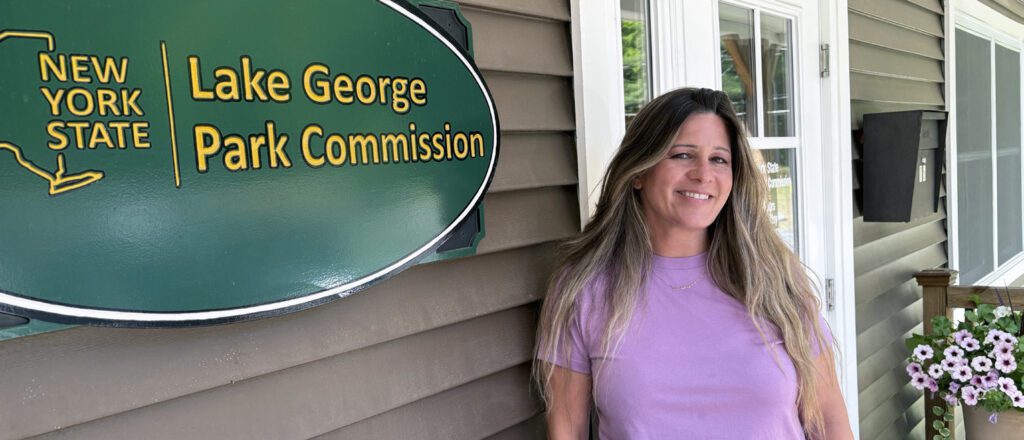
Workers at the Lake George Park Commission office adjacent to the memorial reflected on the significance of the reinterment.
“Knowing that these 44 soldiers have finally been laid to rest gives me a deep sense of gratitude and quiet respect for the sacrifices they made for our country. I find comfort knowing their stories are no longer forgotten,” said CSEA Department of State Local member Michelle Martin, who works at the Lake George Park Commission.
Members of the state Department of Environmental Conservation field office played a pivotal role in site work and preparation for the memorial installation as well as making sure the grounds and buildings were ready for the multiple events and influx of visitors.
“We played a heavy hand, hundreds upon hundreds of hours of work from this team,” said CSEA Environmental Conservation Region 4 Field Local President Luke Dague. “Members here always take great pride in the work, we always have high standards, but this was a once in a lifetime moment, so they really bumped things up for this.”
The soldiers were laid to rest with full honors during a public reinterment ceremony. The stories of those who served and sacrifices are now being remembered.
— Therese Assalian
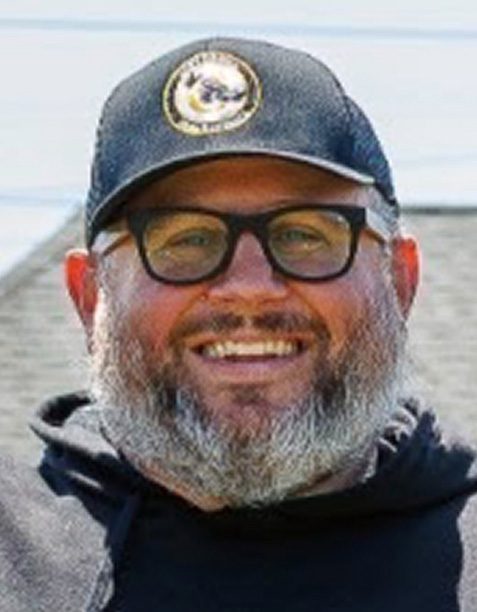
“To be American is to give back, to keep your community safe and cared for. The military taught me discipline, organization, communication skills, teamwork and how to stay calm and collected. Everything I learned, I’ve applied to being a bus driver.”
— Cory Muldowney, North Tonawanda Central School District Bus Driver
Retired Air Force military police officer