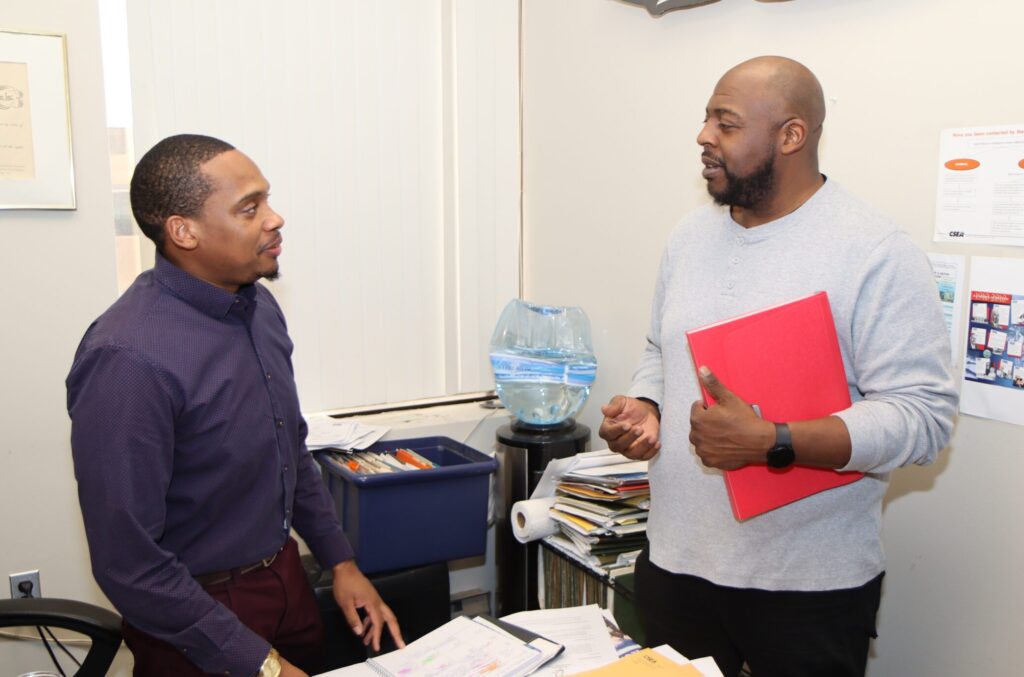
COMMACK — CSEA has immigrant members, including Alcibiades “Alex” Lazaro Ramirez, who recently returned home after being detained by U.S. Immigration and Customs Enforcement (ICE).
CSEA stands behind our union’s immigrant and its U.S.-born members, who are likely to be affected if deportations continue.
In most cases, continued deportations would lead to increased mandatory overtime for an already understaffed workforce. This is especially concerning for CSEA members working with individuals with developmental disabilities, many of whom are assigned to homes or departments where residents can be violent. In those environments, having as many workers as possible is critical to keeping both staff and residents safe.
Members who are currently being mandated two or three days per week could see that increase to four or five days, leaving workers exhausted an unable to perform at full capacity.

“Morale is very low right now,” said CSEA Long Island Developmental Center Local President Abraham Johnson. “People are scared to come to work because the protective immigration status they came to the United States to work under could change overnight.”
CSEA Pilgrim Psychiatric Center Local President Arnold “Rashad” Jones said attacks on immigrants are also attacks on organized labor.
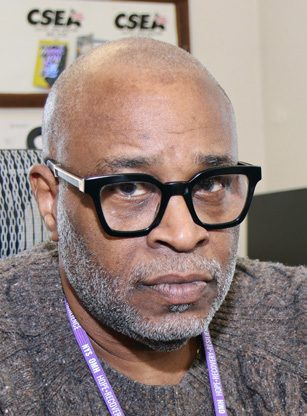
“I have 10 members on the verge of being fired because of their immigration status,” said Jones. “If federal preliminary immigration injunctions get lifted, that number could go up to 30 members. At another facility, it could be 60 members. Those numbers add up after a while.”
Jones also views the initial actions taken against federal unionized workers as part of a broader strategy to weaken unions.
“Thousands of federal workers were laid off. Some of those employees worked in immigration, so now that immigration laws are changing and paperwork needs to be in order, no one is there to process the information,” said Jones. “The government can fine New York state thousands of dollars per day per undocumented worker employed at a state facility. The employer has no choice but to let undocumented workers go because if they don’t, they’re breaking the law.”
Losing a commercial driver’s license (CDL) is also a very real possibility for non-domiciled Department of Transportation workers, as a CDL is a federally issued document.
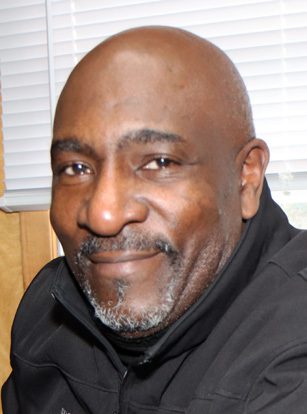
“We’re already short-staffed,” said CSEA Department of Transportation Local President Rich Allen. “What if we have back-to-back storms? We won’t be able to keep up with the demand that will come from losing staff.”
“The state already shifts workers around during snowstorms, but with limited manpower, there will be a constant shifting of human assets,” said Allen.
A smaller workforce will also affect how quickly potholes are filled, road signs are repaired, bridges are fixed, and other DOT responsibilities are completed—all of which help keep travel in New York state safe.
While the state is essentially being held hostage by the federal government on this issue at the moment as various legal actions wend their way through court, CSEA can provide support in other ways.
Visit cseany.org/ice-resources to learn more about immigrants workers’ rights and available resources.
— Wendi Bowie