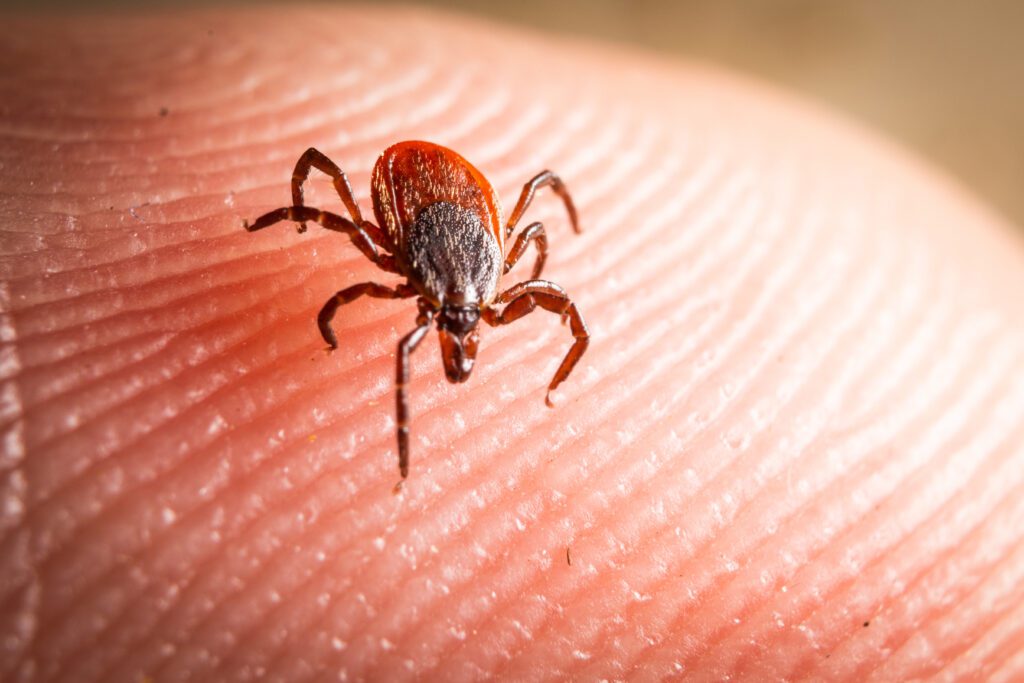
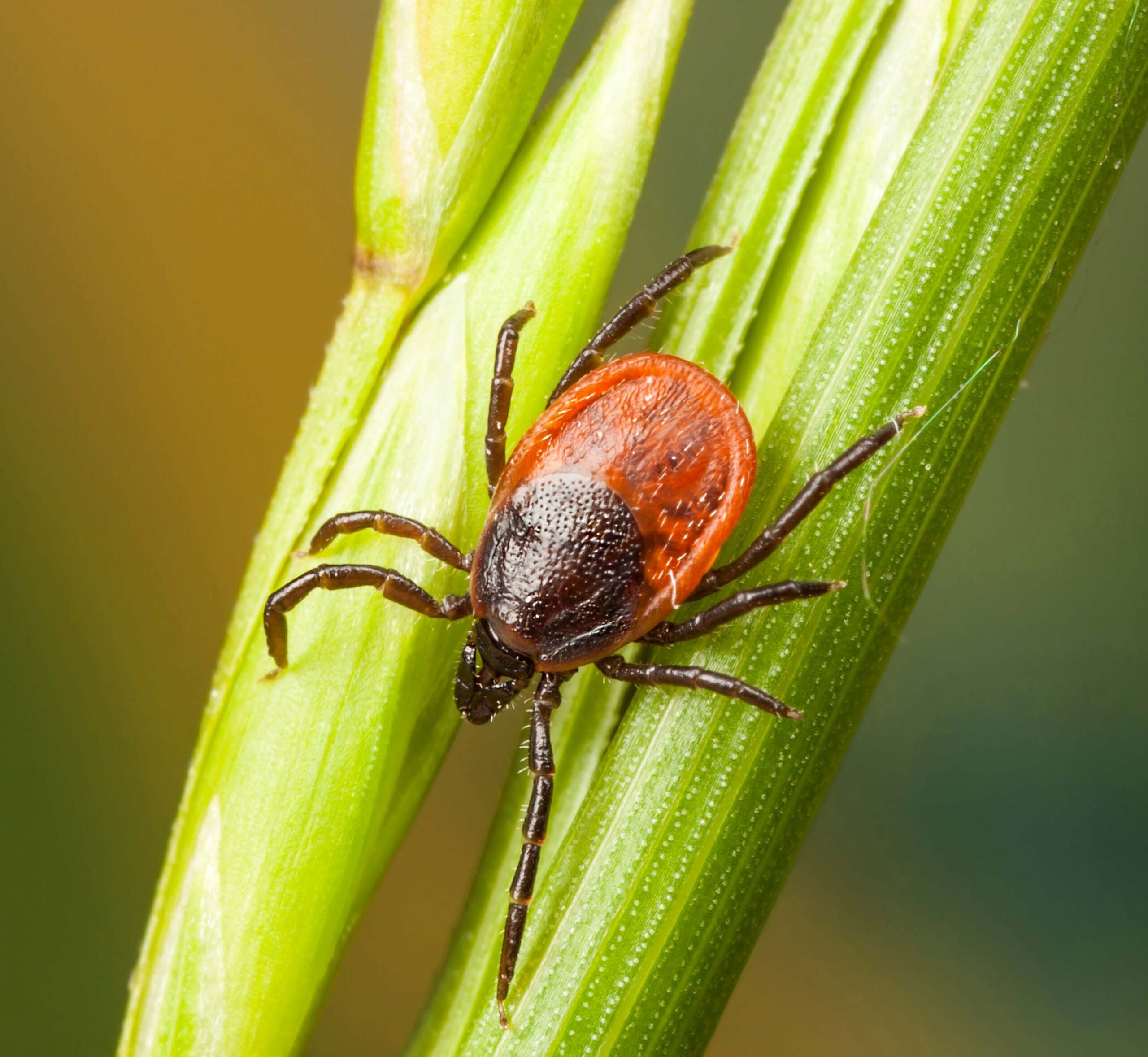
The tick population in New York state is surging, and experts warn 2026 could be one of the worst seasons on record.
Each year, the volume and severity of tick-borne illnesses continue to rise. After a “cold-warm-cold” winter cycle that boosted tick survival instead of reducing it, health experts say tick activity is expected to reach a 10 out of 10 risk level statewide, with especially heavy activity in early summer due to increased nymph populations.
Tick bites are common across New York. While many result in minor symptoms, some can lead to serious—and even fatal—illness.
There are approximately 30 species of ticks in New York. Of those, about 10 commonly bit people, and four species are known to transmit diseases that can cause severe illness or death.
Tick-borne diseases on the rise
The most common illness resulting from tick bites is Lyme disease, an acute inflammatory condition characterized by skin changes, joint inflammation and flu-like symptoms. Lyme disease is caused by bacteria transmitted through the bite of an infected deer tick.
Early symptoms may be mild and easily missed, but untreated Lyme disease can lead to more serious health complications. Patients treated with antibiotics in the early stage of infection typically recover quickly and fully.
The most recognizable symptom is a rash that may appear as a “bulls-eye” or a solid red patch that expands over time.
In addition to Lyme disease, experts are warning of increased risks of anaplasmosis and babesiosis in 2026. Studies show roughly 1 in 10 ticks in New York carry multiple diseases, most commonly Lyme disease and babesiosis.
Powassan virus, though rare, remains one of the most dangerous tick-borne illnesses. It has been detected in parts of New York, particularly the Hudson Valley, and can cause severe neurological complications, including encephalitis and meningitis. About 10% to 15% of reported cases are fatal.
Prevention and workplace safety
Employers are responsible for protecting workers on the job and should promote awareness, provide training, ensure proper attire and supply effective repellents. Tick bites are OSHA- and PESH- recordable incidents and must be documented in annual reports of occupational injuries and illnesses.
Employers should make workers aware of the following precautions:
- Know where to expect ticks. They live in grassy, bushy or wooded areas, and on animals.
- Use EPA-registered insect repellents containing DEET, picaridin, IR3535, oil of lemon eucalyptus, para-menthane-diol or 2-undecanoe.
- Treat clothing and gear—such as boots, pants and socks—with products containing 0.5% permethrin, or wear permethrin-treated clothing.
- Perform full-body tick checks after outdoor activity.
- Wear long -sleeved shirts and long pants with tight cuffs at the wrists and ankles.
- Tuck pants into socks or use double-sided tape.
- Wear light-colored clothing to make ticks easier to spot.
Experts also note that workers and residents may consider using services such as nyticks.org to test ticks for disease exposure.
Proper tick removal and follow-up
Early and proper removal of ticks reduces the likelihood of illness.
Never squeeze or twist an attached tick, as this can increase the transmission of bacteria or viruses.
Remove ticks with a tick key or clean, fine-tipped tweezers, grasping the tick as close to the skin as possible and pulling upward with steady, even pressure.
Clean and disinfect the bite area immediately.
If possible, place the tick in an airtight container with rubbing alcohol and save it if requested by a medical provider.
If bitten at work, document and report the incident immediately or within 30 days.
Monitor the bite site for rash or signs of infection and watch for fever or flu-like symptoms. Contact a medical provider promptly if symptoms develop or worsen.
Workers who contract a tick-borne illness on the job and require medical treatment should consult a workers’ compensation attorney.
Visit cseany.org/ticks for more information.