Fix Tier 6
During this year’s legislative session, CSEA’s top priority is reforming Tiers 5 and 6 of the public pension system. Follow this page to learn more and find out how you can help ensure Tier 5 and 6 members have the secure retirement they deserve!
Why do we need to Fix Tier 6?
In the past, people would enter the public sector knowing that they would make less money compared to their private sector counterparts but would receive a pension that would ensure a dignified retirement. Under Tier 6, pensions are no longer a selling point for entering the public sector workforce, as new employees must work longer and pay more for a smaller benefit at retirement. CSEA is fighting for parity in our pensions, which will provide immediate relief in members’ paychecks, more money in members’ pockets when they retire and increase affordability. Fixing Tier 6 will also strengthen local economies across New York. Our union has worked with Gov. Kathy Hochul and the Legislature on positive pension reforms, but there is more to do.
Tier 6 Impact On Workers
Workforce Shortages
From 2020 to 2024 the state workforce lost roughly 12,000 employees. Local governments experienced similar declines in the same time frame.
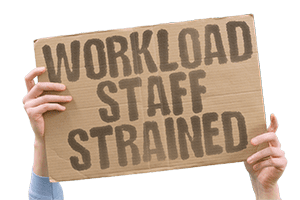
Pressure on Workers
State employees in 2024 accruing more than 24 million hours in overtime, a 45.9% increase since 2015.

Overtime Costs
Overtime costs also increased by 85.1% since 2015, costing the state more than $1.3 billion in 2024.

CSEA’s proposals to Fix Tier 6
Our union is proposing changes that would reduce employee contribution rate. CSEA is also pushing to reduce early-retirement penalties, length of service and age for retirement eligibility, and eliminate caps on the inclusion of wage growth, overtime, and other pay in the calculation of pension benefits.
Help Us Reform Tier 5 & 6 — Join the Fight!
Member action led to victories – we can do it again!
CSEA has successfully urged state legislators and the governor to make positive reforms to Tier 6. Over recent years, our union has seen a reduced vesting period, changes to members’ final average salary and ensured that overtime earnings will be excluded from the pension contribution rate for two more years. This was possible because CSEA members took action! Let’s do it again!
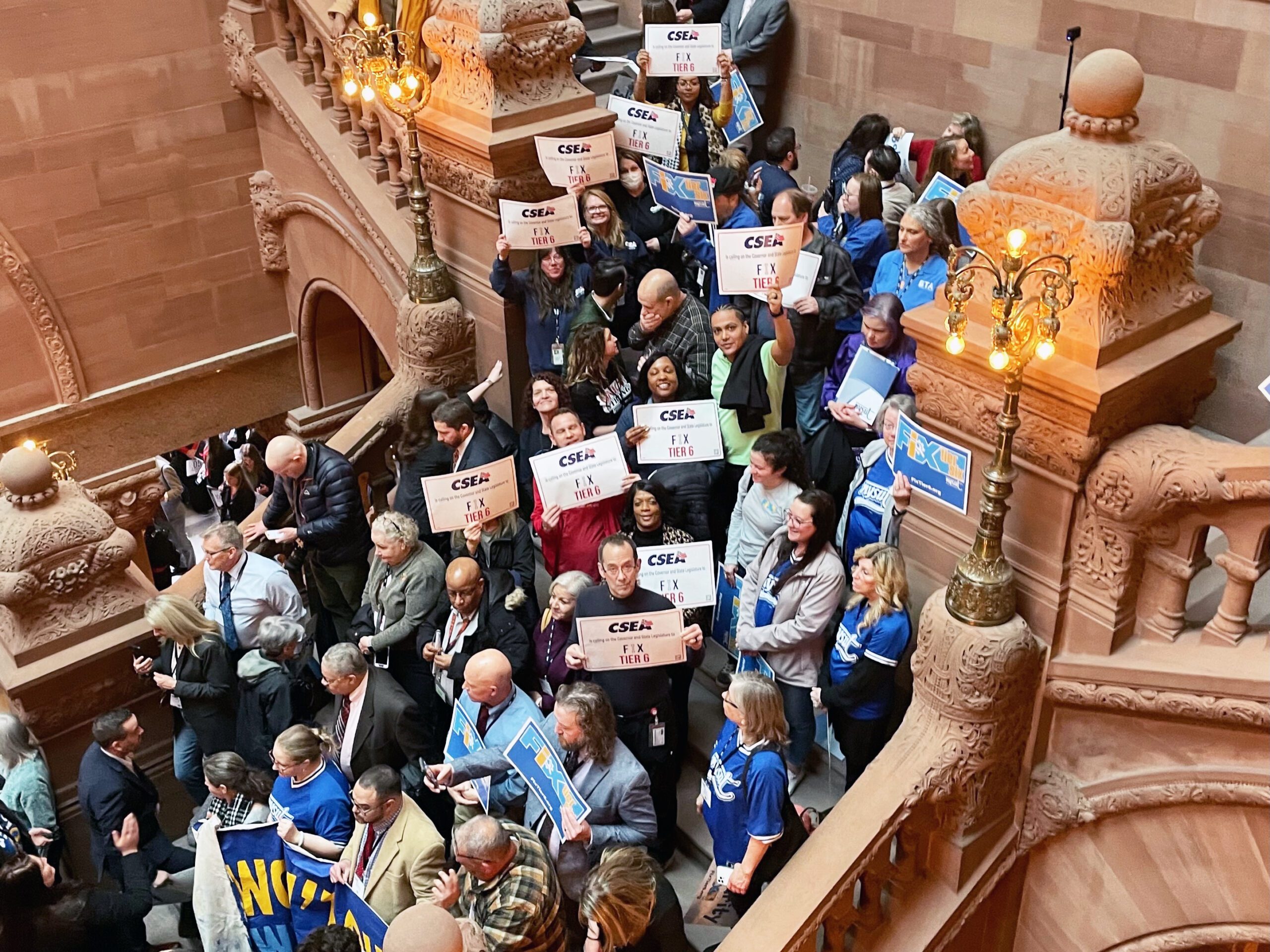
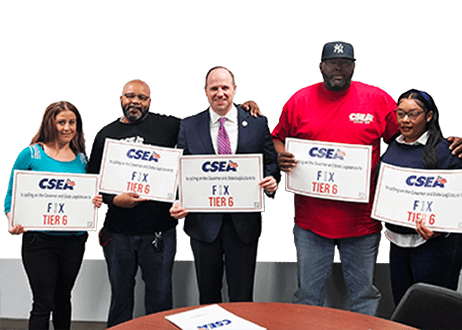
CSEA members on Fixing Tier 6
Our pension victories by the numbers
3
The number of members’ top earning years that will determine their pension. The final average salary is now the top 3 earning years instead of 5 years, increasing the value of pensions.
5
The number of years of the vesting period of CSEA members in Tier 6. Our union’s efforts reduced the vesting period from 10 years to 5 years.
10000 +
The number of emails CSEA members sent to their legislators to urge for Tier 6 reform. Members also made thousands of phone calls to legislators and held rallies.

Help Us Reform Tier 5 & 6 — Join the Fight!
Our union fights to Fix Tier 6!
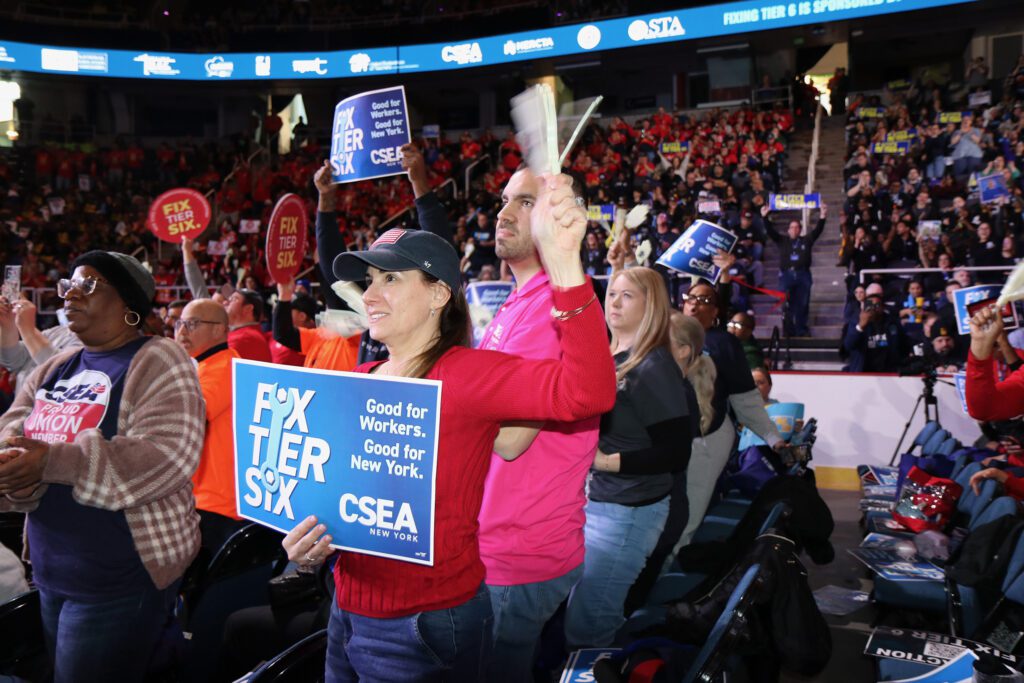
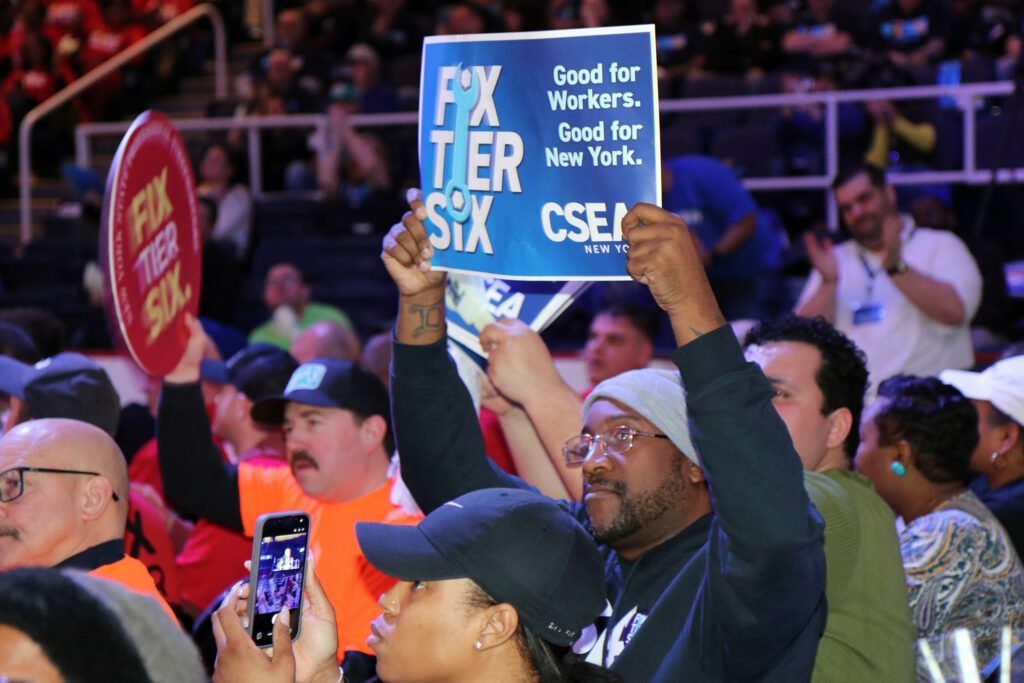
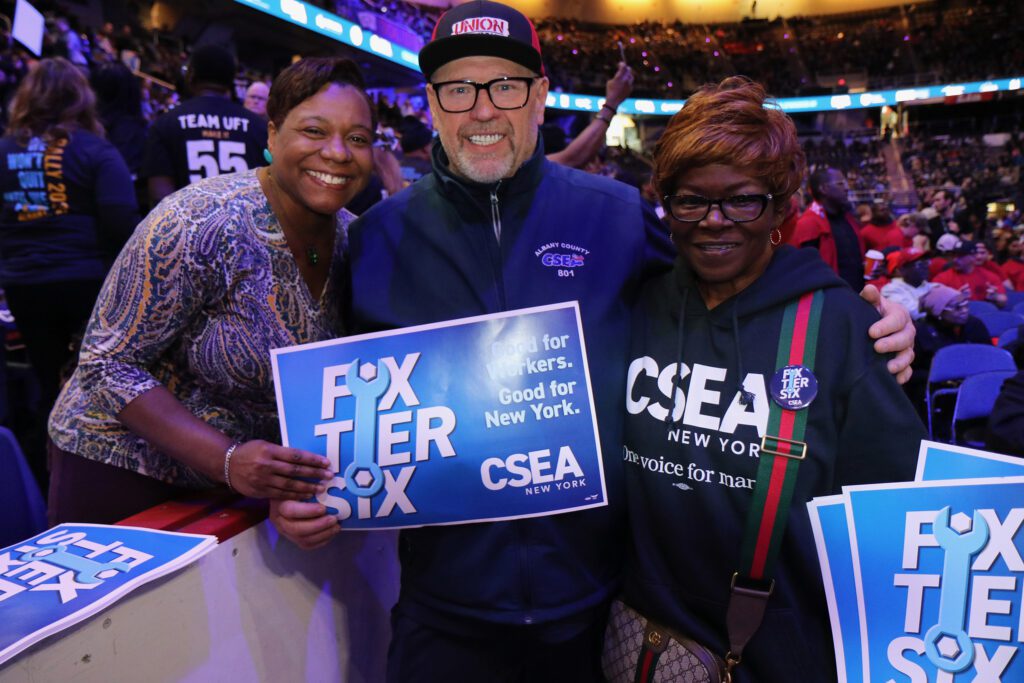
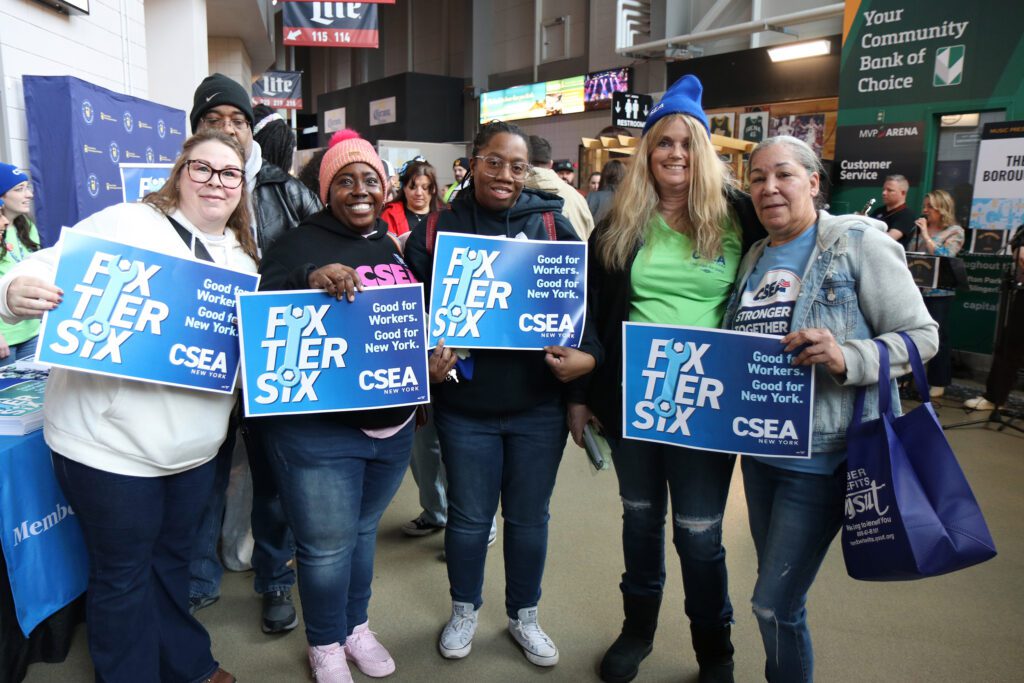
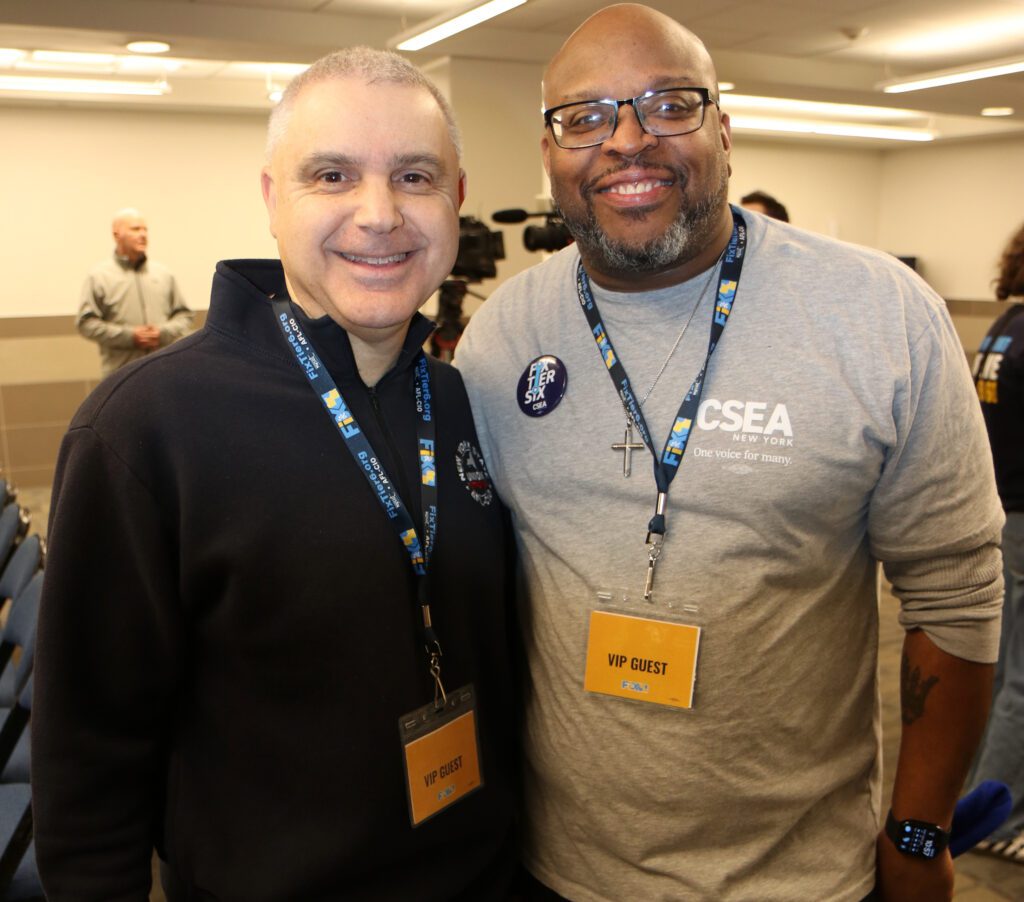
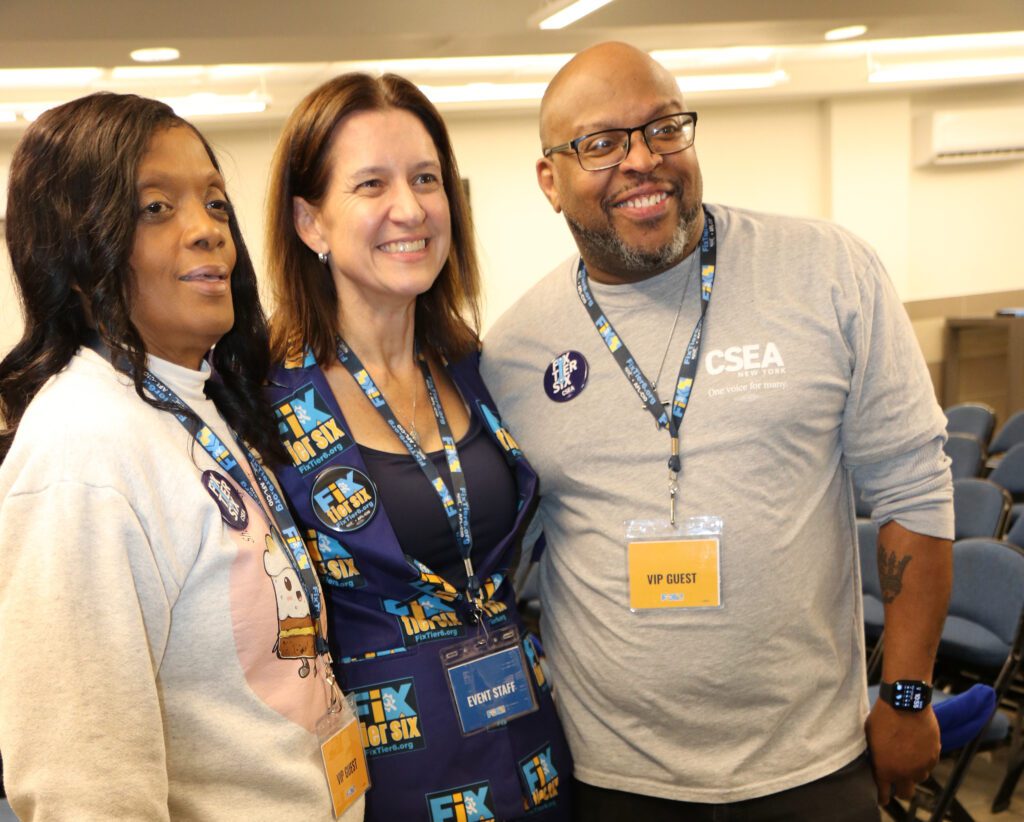
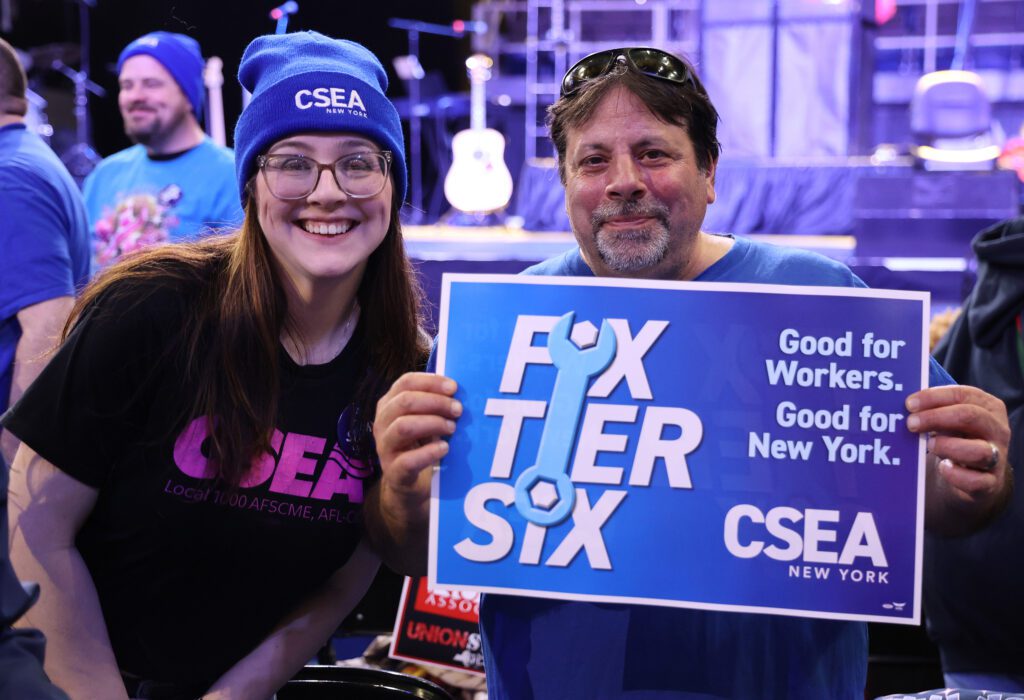
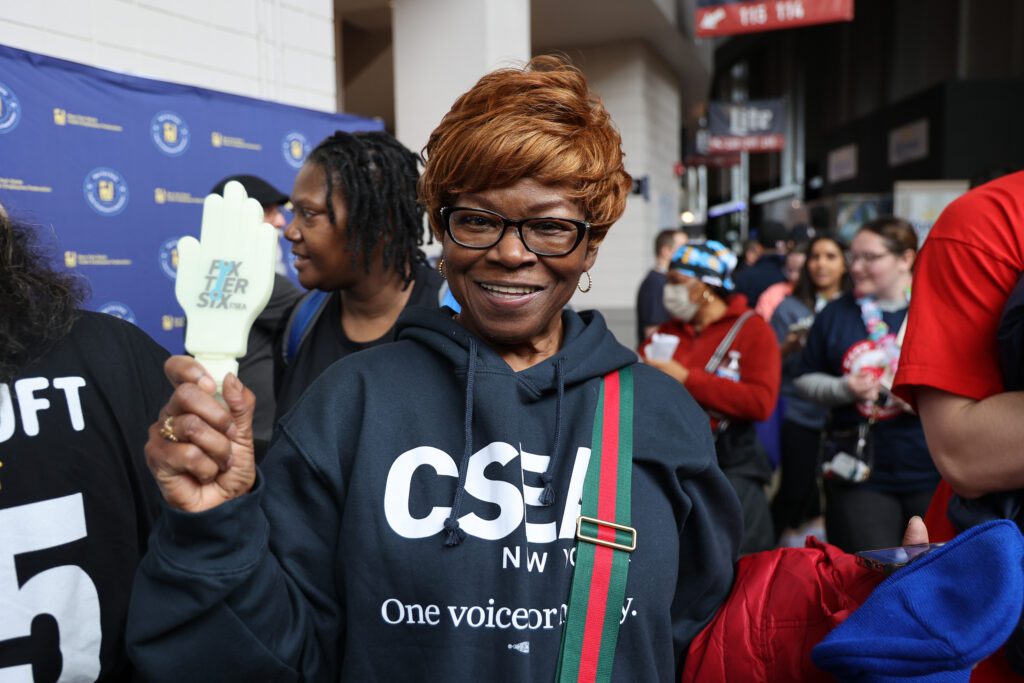
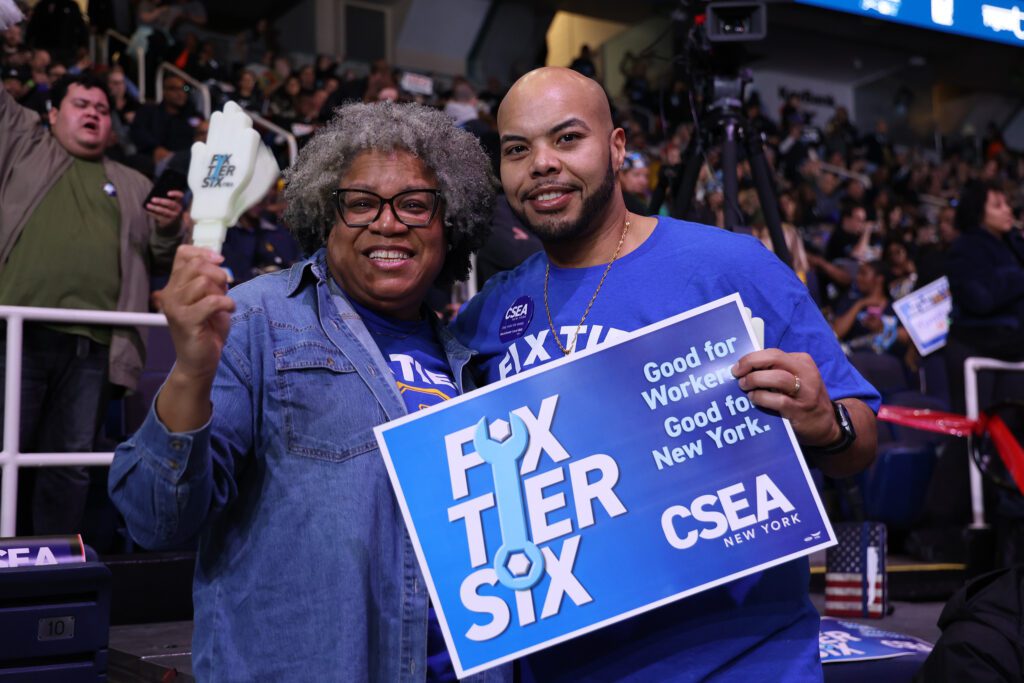
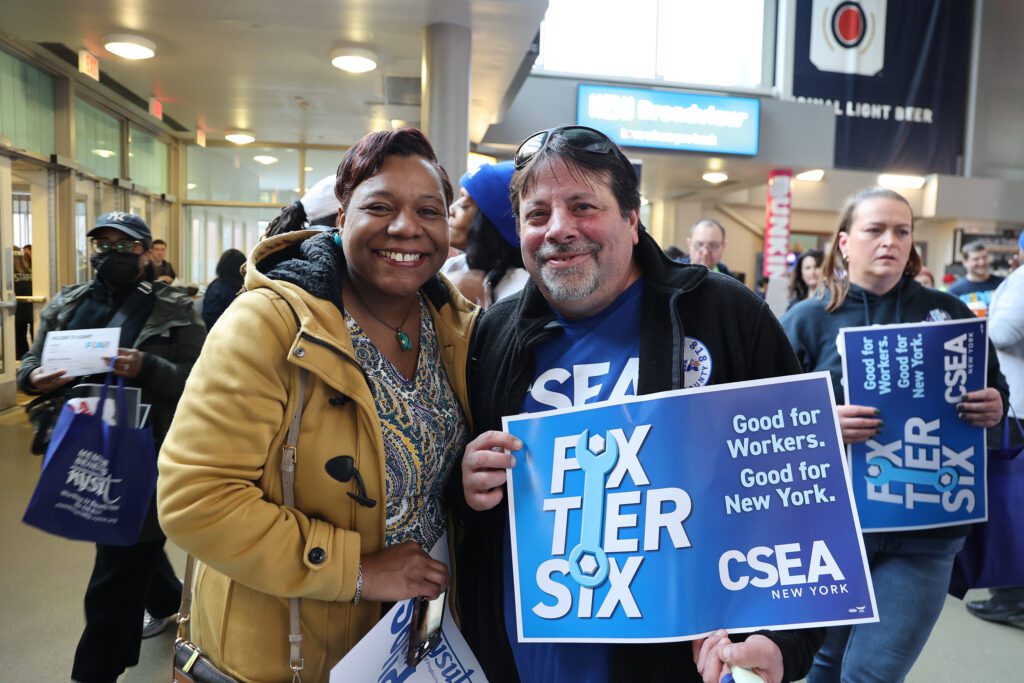
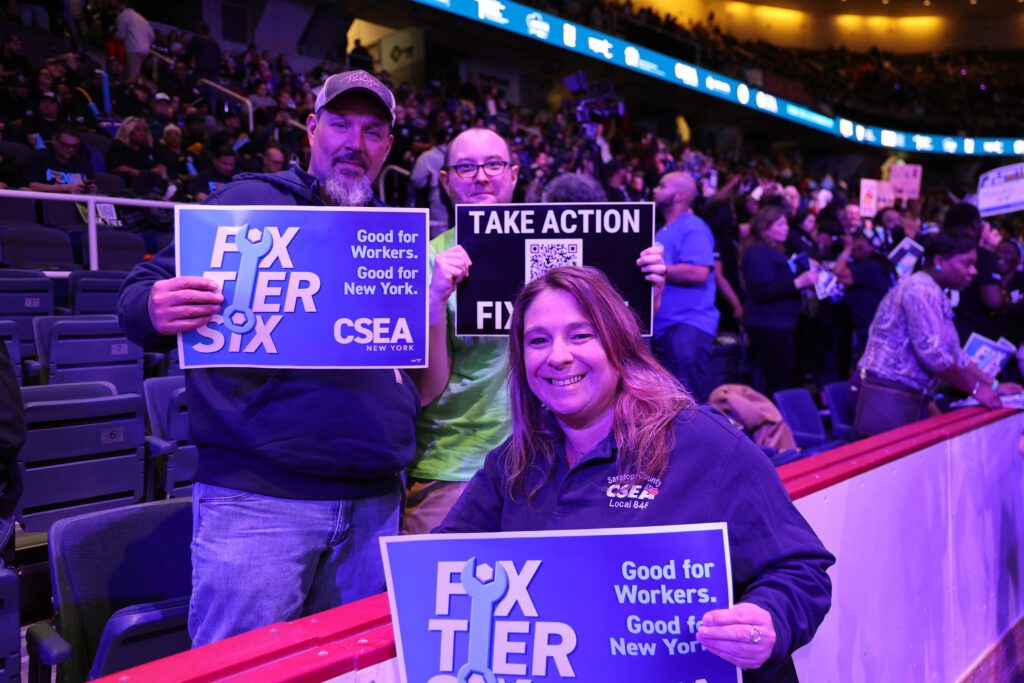
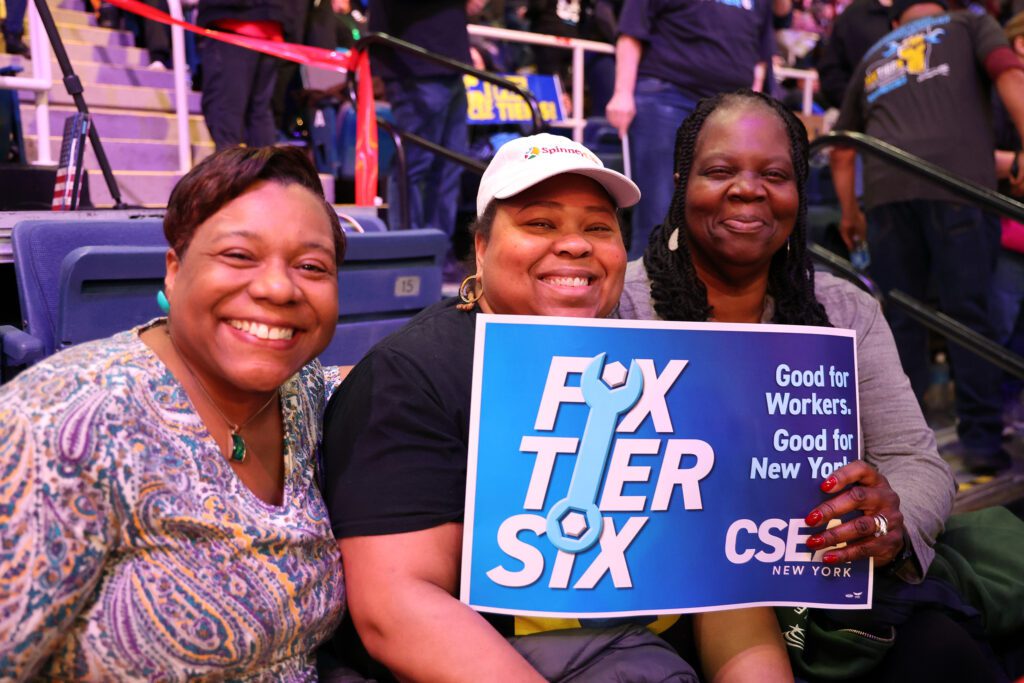
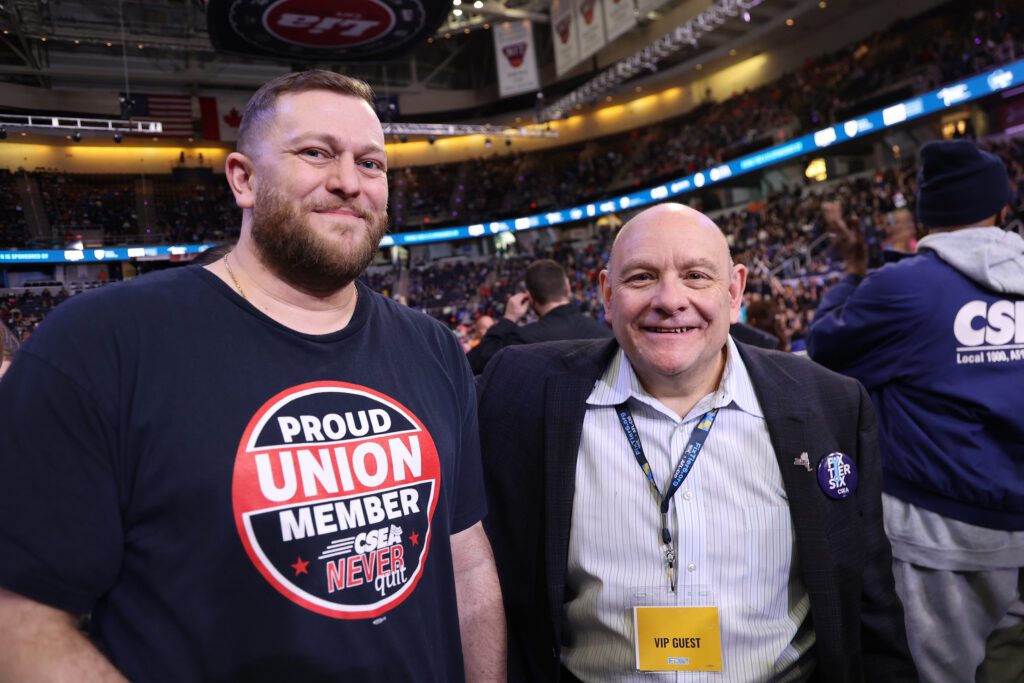
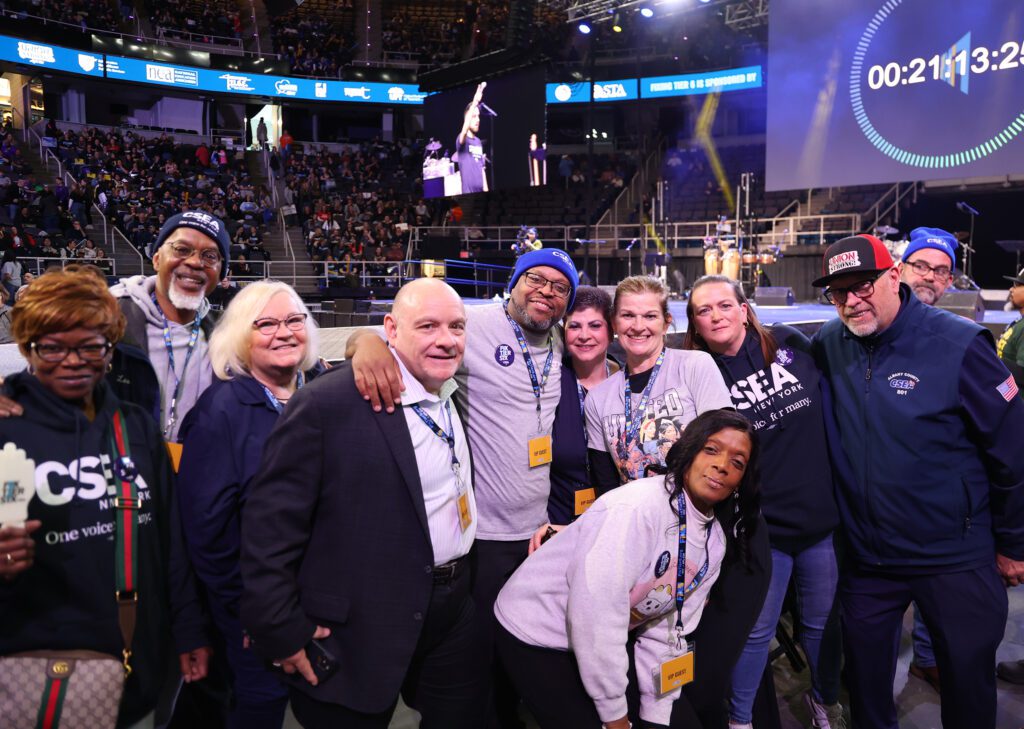
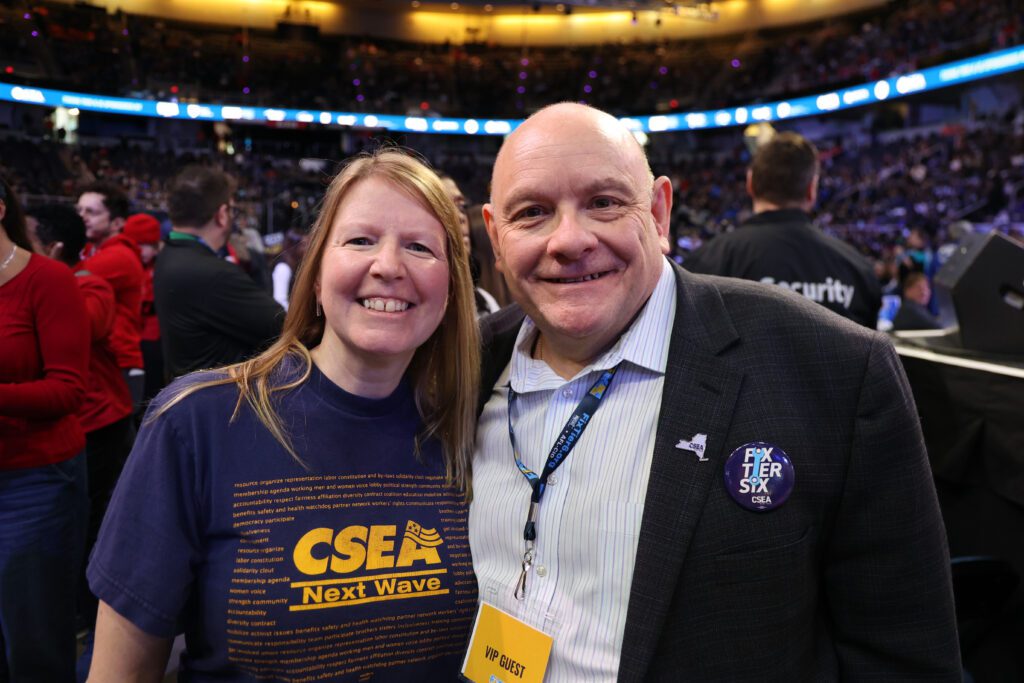
On March 8, CSEA members across the state proudly stood among thousands of our labor family members at the Fix Tier 6 Rally on Sunday. The energy, the enthusiasm, and the drive to make change for Tier 5 & 6 workers across New York state was invigorating! See photos and video from the rally below.


















History of our pensions
New York State and Local Retirement System (NYSLRS) members are assigned to a tier based on the date of membership. The pension tiers define retirement benefits based on your joining date, have different rules for eligibility, contributions and full retirement age. There are 6 tiers in the system for CSEA members: Older tiers often have more generous terms than newer tiers, which include higher contributions and stricter age/service requirements for full pensions. Here is a history of the pension tiers and major events affecting our pensions.
1920s
The New York State Public Employee Retirement System is established. The Association of State Civil Service Employees’ first President, William Thomas, is instrumental in the commission that helps draft the law establishing the retirement system.
1921
Retirement system created
1923
Local governments started joining the system, creating the creating the “State and Local” system.
1950s
Improvements to the state retirement system are among the many successes of this decade.
1951
55-year plan
CSEA successfully fights for an overhaul of the state retirement system, including the enactment of a provision allow employees to retire at age 55 if they met the required years of service.
1960s
A decade of change included CSEA-supported gains for the state retirement system.
1965
Gov. Nelson Rockefeller signed legislation that made the state retirement system noncontributory during state workers’ first year of service.
Rockefeller also signed legislation expanding vesting rights.
1970s
Amid economic struggles, the state enacted the first pension tiers that reduced retirement benefits. CSEA also fought back against state proposals to use the pension fund to bail out New York City.
1973
Tier 2 created
Tier 2 enacted for workers entering public employment as of July 1.
1975
Pension funds proposed to save NYC
Gov. Hugh Carey takes office and proposes tapping into the state pension fund to prevent New York City from going bankrupt. CSEA successfully sues the state to prevent this.
1976
Tier 3 created
The state enacts Tier 3 for employees entering public services on July 27, 1976 and after.
1980s
CSEA worked at making pension improvements amid economic difficulties during the early part of the decade.
1983
Tier 4 created
The state enacted Tier 4 for workers entering public service from Sept. 1, 1983 and after.
1990s
Budget difficulties during the early 1990s led to our union fighting for pension fairness.
1990
Cuomo proposes pension fund raid
CSEA fights back against Gov. Mario Cuomo’s attempts to raid the pension fund to balance the budget.
1993
Comptroller sues over raid
In 1993, then State Comptroller Carl McCall successfully sued Gov. Mario Cuomo’s administration and legislature over their illegal raids on the pension system.
1998
Pension supplement
In 1998, Gov. George Pataki signed a CSEA-bacled bill awarding retired public employees in New York a supplement to their pensions.
2000s
CSEA stood strong against business interests’ relentless attempts to erode our pensions.
2000
A permanent COLA
In 2000, Gov. George Pataki signed legislation establishing a permanent cost-of-living adjustment for public employee retirees. The COLA provides a pension boost to retirees to help them adjust to inflation.
2009
Tier 5 created
Gov. David A. Paterson announced Dec. 2 that the legislature has passed the governor’s Program Bill No. 213, landmark pension reform that creates a new Tier 5 pension level, which went into effect on Jan. 1, 2010.
2010s
CSEA strongly opposed the creation of Tier 6.
January 2012
Tier 6 proposed
As part of the 2012 state budget, Gov. Andrew Cuomo proposed Tier 6, claiming it would provide budget relief. The initial plan gave no protections from economic conditions. The plan also raised the retirement age, increased employee contributions , increased vesting time
CSEA warned against the dangers of diminishing public pension benefits. CSES argued it could lead to difficulties in recruiting and retaining workers providing needed public services. Tier 6 forces workers to work longer, pay more and receive a drastically reduced benefit, all while providing perks to the wealthy.
Early 2012
CSEA fights back
CSEA fought back at the administration’s efforts to gut our retirement security, urging members to call their state legislators and tell them to oppose Tier 6. Whether it was calling, emailing and meeting with their state legislators, participating in rallies, educating other union members, the media and the public on the facts about our pensions.
March 2012
“Dark Deal” reached
In the middle of the night in March 2012, state legislators and Cuomo approved a modified version of the pension reform in a shortsighted political move, trading support in exchange for the governor going along with legislators’ redistricting plans —selling out CSEA members and all New Yorkers.
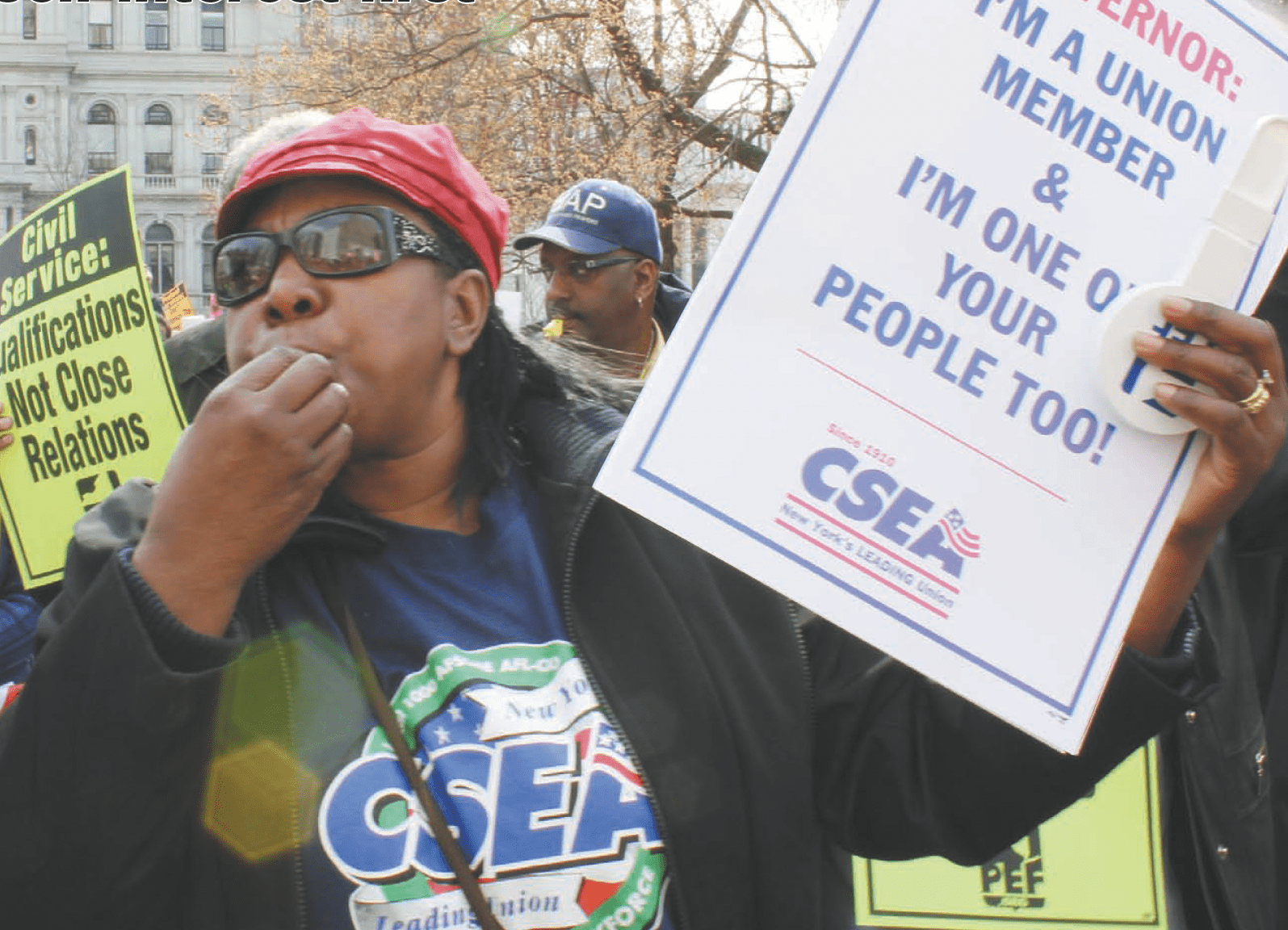
Just hours after the “Dark Deal,” CSEA members and staff joined allies from other unions in front of the Capitol to protest the move.
2020s
CSEA launches campaign to urge the governor and legislators to reform Tiers 5 and 6 to restore parity with other pension tiers and address staffing shortages.
2022
CSEA launches Fix Tier 6
CSEA launches the Fix Tier 6 campaign to urge the governor and state legislators to make positive pension reforms.
CSEA members made more than 10,000 phone calls and sent more than 12,000 emails to legislators.
In 2022, the state made its first positive pension reforms in more than 20 years, reducing the vesting period from 10 years to five years.
2024
CSEA celebrates reforms
CSEA members continue the push to Fix Tier 6 through holding rallies and contacting their legislators. Our union’s efforts led to more reforms to Tier 6, basing the final average salary on the top 3 earning years instead of 5. Overtime earning were also excluded from the pension contribution rate.